
If you’ve been struggling to get your little one to sleep, you’re in the right place. We’ve got all the tips, tricks, and product recommendations you need to help your toddler drift off into dreamland.
All I Want to Do Is Sleep can relate to the struggle of sleepless nights. But fear not, because we’ve got your back. Our expert team has scoured the market to bring you the best products for getting your toddler to sleep. From soothing sound machines to cozy pillows and everything in between, we’ve got the goods that will have your little one snoozing in no time.
But it’s not just about the products. We know that every toddler is unique, and what works for one may not work for another. That’s why our How to Get a Toddler to Sleep page is filled with helpful tips and techniques that you can try. Whether it’s establishing a bedtime routine, creating a sleep-friendly environment, or using gentle sleep training methods, we’ve got all the advice you need to tackle those bedtime battles.
Why Toddlers Refuse to Sleep
Overstimulation is a primary reason for toddlers refusing to sleep. They may be too excited by electronic media, roughhousing, or having high blood sugar. Make sure they don’t consume food for the few hours before bedtime.
There may be other distractions like bright lights, loud noises, or some form of discomfort like a raised temperature, teething, itchy pajamas, stuffy nose, or so on. Rectifying these distractions will help your child sleep better.

It may also just be a behavioral problem. Getting to the root of the matter can take some doing, but it’s on the parent to make sure that the child’s needs are met, including their psychological needs.
The child may have become too dependent on your help in order to sleep. They may have only experienced falling asleep with you rocking, feeding, holding them or singing a lullaby, and never learned to be alone when they go to sleep. As they grow, you may want to start backing it off bit by bit so they get used to falling asleep by themselves.
They may be in a fearful phase, wherein being alone in the dark makes them scared. Anxiety can keep a child from falling asleep, so you may have to implement certain measures like having a nightlight nearby or making the room more soundproof to keep darkness and noise from scaring them.
Lastly, you may be putting them to bed at the wrong time. If you take a child to bed too early, they’re not tired enough to fall asleep. If you take them to bed too late, they’ll wake up still tired and groggy. Be flexible in finding out the right bedtime schedule for your child.
Steps to Help a Toddler Go to Sleep
The most important step is to be able to stick to a routine. As much as possible, have your toddler sleep and wake up at the same time each day. Also, make sure that their nap times are not too late during the day so it doesn’t interfere with their bedtime.
Around 30 minutes to an hour before bedtime, make the environment as calm as possible. This is wind-down time, wherein you’re setting the scene for going to bed. Take your child away from any electronic media and other stimuli, transitioning them to something like reading a book or taking a bath before it’s bedtime. Make sure their room is dark and calm, and employ tricks such as a dim nightlight and some soft lullaby music.
Don’t feed them or give them a drink after a certain time so it doesn’t interfere with sleep. Having food can spike energy levels and drinking water right before bedtime may result in them having to pee in the night.
Tuck your child into bed to put them at ease and help create a trigger that encourages sleep. You then gradually transition it to the child tucking themselves into bed. Once the cover is on, that should be the trigger for them to go to sleep.
Many children experience nightmares and it’s important to encourage the child to calm down and remain in their own bed. Perhaps you allow them to sleep in your bed while they recover, before gently returning them to their own room. You don’t want them to develop a dependence on sleeping next to you for comfort. You can also get yourself a special alarm clock designed to train your toddler to stay in bed longer.
Big Red Rooster Sleep Training Alarm Clock
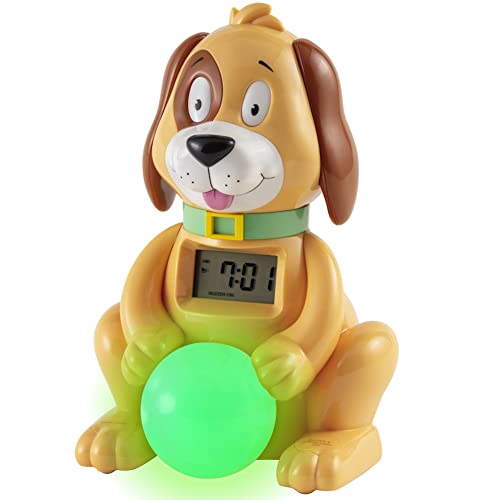
Sleep Training Digital Alarm Clock for Kids with Red Green Wake Up Light to Encourage Sleep Schedule | OK to Wake Clock for Kids | Toddler Alarm Clock | Time to Wake Sleep Training Clock for Toddlers
Features
- FOR CONSISTENT SLEEP PATTERNS - Red and green ball trains children to stay in bed longer and establishes consistent sleep patterns. When it’s time for kids to sleep, the ball on the clock is red, and when it’s time to wake up, the ball turns green and the alarm goes off.
- TWO ALARMS & NAP TIMER - This Big Red Rooster kids alarm clock is ideal for any weekend or weekday morning wake-up time or nap time. The alarm must be set each night. Option to turn off alarm sound and just use red/green light for sleep training.
- HIDDEN PARENT COMPARTMENT - Children cannot change the settings or turn the alarm off early. Instructions are printed inside parent compartment.
- POWER SOURCE - The clock can be plugged into an outlet with AC adapter (included) or powered by 3AA batteries (not included), making it portable and easy to place anywhere in a bedroom and easy to travel with.
- FOR TODDLERS THAT LOVE ANIMALS - Kids will fall in love with the cute puppy design of this alarm clock, and parents will love how easy and effective it is in training children to stay in bed longer.
What We Like
The Big Red Rooster Digital Alarm Clock for Kids is your ultimate parenting ally, seamlessly merging fun with functionality. Designed with a playful puppy motif, it offers a unique red and green light system, training your child to associate red with bedtime and green with waking up. Your mornings just got easier!
The clock features two alarms and a nap timer, making it perfect for managing various sleep schedules. A hidden compartment keeps settings out of curious little hands, ensuring bedtime stays on track. With a corded electric power source and a battery backup, this clock is convenient and portable – a guardian of sleep patterns whether at home or on the go.
What Can Be Improved
As intelligent as it is cute, the alarm clock is quite versatile. However, the alarm does need to be set each night, which could be a touch more convenient. On the plus side, this minor effort is rewarded by a consistent sleep schedule and peaceful mornings. Remember, no product is perfect, but this one is pretty darn close!
Our Score
Despite the minor setback of nightly alarm setting, this digital alarm clock still packs a punch in promoting healthier sleep routines. Its quirky design coupled with the functional features earn it a 9 out of 10. It’s not just a clock, it’s a lifestyle change that gifts you peaceful mornings and well-rested children. Now, who wouldn’t hit the snooze button on that offer?